Showing posts with label pollution. Show all posts

Tuesday, December 15, 2015

Capitalism’s Cult Of Human Sacrifice

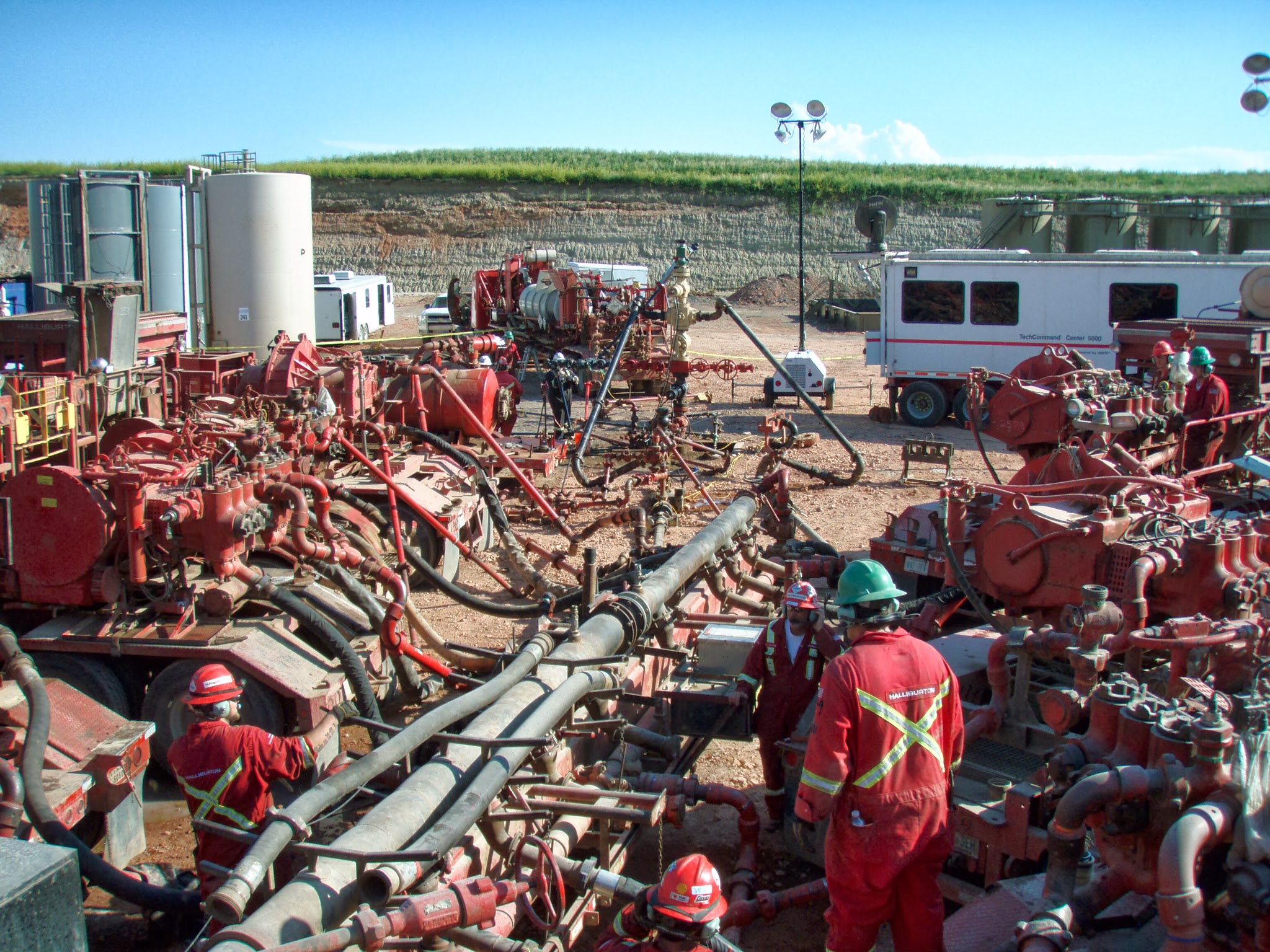
HOUSTON—Bryan Parras stood in the shadows cast by glaring floodlights ringing the massive white, cylindrical tanks of the Valero oil refinery.
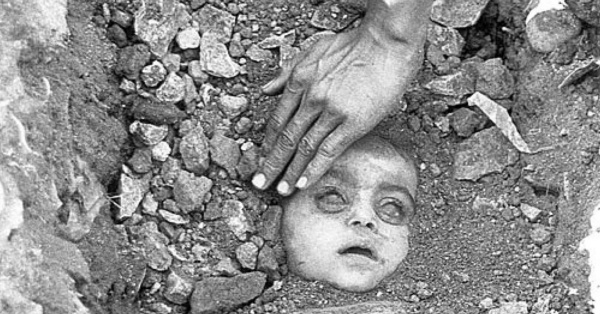
He, like many other poor Mexican-Americans who grew up in this part of Houston, struggles with asthma, sore throats, headaches, rashes, nosebleeds and a host of other illnesses and symptoms. The air was heavy with the smell of sulfur and benzene. The faint, acrid taste of a metallic substance was on our tongues. The sprawling refinery emitted a high-pitched electric hum. The periodic roar of flares, red-tongued flames of spent emissions, leapt upward into the Stygian darkness. The refinery seemed to be a living being, a giant, malignant antediluvian deity.

Parras and those who live near him are among the hundreds of millions of human sacrifices that industrial capitalism demands. They are cursed from birth to endure poverty, disease, toxic contamination and, often, early death. They are forced to kneel like bound captives to be slain on the altar of capitalism in the name of progress. They have gone first. We are next. In the late stages of global capitalism, we all will be destroyed in an orgy of mass extermination to satiate corporate greed.

Idols come in many forms, from Moloch of the ancient Canaanites to the utopian and bloody visions of fascism and communism. The primacy of profit and the glory of the American empire—what political theorist Sheldon Wolin called “inverted totalitarianism”—is the latest iteration. The demand of idols from antiquity to modernity is the same: human sacrifice. And our cult of human sacrifice, while technologically advanced, is as primitive and bloodthirsty as that which carried out killings atop the great Aztec temple at Tenochtitlán. Not until we smash our idols and liberate ourselves from their power can we speak of hope. It would have been far, far better for the thousands of activists who descended on Paris for the climate summit to instead go to a sacrifice zonesuch as Parras’ neighborhood and, in waves of 50 or 100, day after day, block the rail lines and service roads to shut down refineries before being taken to jail. That is the only form of mass mobilization with any chance of success.

Parras—who organizes protests and resistance in the community throughTexas Environmental Justice Advocacy Services (TEJAS), a local group he co-founded with his father, Juan—was standing in Hartman Park. He pointed out the array of storage tanks and other equipment clustered around refineries run by Valero, LyondellBasell and Texas Petrochemicals. The neighborhood, known as Manchester, is hemmed in by the Rhodia chemical plant; a yard for trains that transport tar sands oil, gas, coal and toxic chemicals; a Goodyear synthetic rubber plant; a fertilizer plant; a molasses plant; wastewater treatment plants; and tanks of liquefied chicken. There are numeroussuperfund sites here. The neighborhood is one of the most polluted in the United States. A yellowish-brown dust coats everything. The corporations, Parras said, are not required to disclose the toxic chemicals they store and use to refine or treat their products. The people who live in this industrial wasteland, who dream of escape but remain trapped because they are poor or because no one will buy their homes, know they are being poisoned but they do not know exactly what is poisoning them. And that, he said, “is the really scary thing.”

The chemical operations “are killing people, although no one wants to admit this is happening,” he said. “And it is largely Mexican-Americans” being killed.

“Alarms go off inside the refinery,” he said, “but we in the community do not know what they mean. We live in a constant anxiety. We will see cops or fire trucks arrive. The 18-wheeler trucks fall in the ditches because the streets are so narrow. People die prematurely, often from cancer. There are schools here. Kids are often sick. Energy levels are depleted. I was always tired as a boy. There is a lot of hyperactivity. Children cannot concentrate. The chemicals add to problems of obesity, especially the diesel particular matter. The fruit and vegetables we grow in our gardens are black. The chemicals lead eventually to heart disease and lymphocytic leukemia. But the impact of the chemicals is not only biological or physiological. It is psychological. You feel you are less, especially when you see other communities.”

“We are near a port,” he went on. “There are men on ships for long periods of time. There is a lot of sex trafficking. There are a lot of drugs. There are more bars on these streets than stores. If you can’t escape, you end up, at best, in a low-paying service industry job or prostitution.”

“We have a metal crushing facility,” he said, pointing into the gloomy night haze. “There is a worldwide shortage of metals. They grind up cars, buses and appliances into shards of metal. There have been explosions. They do not always drain the liquids in the vehicles. There are combustibles. There have been fires. There are particulates thrown into the air. The noise from the crushing is 24/7.”

We walked down a narrow, sloped street past rows of small, ranch-style homes built by poor Mexican immigrants in the 1930s. Manchester is one of the most depressed neighborhoods in Houston. The beat and high-pitched wail of a Tejano ballad blared through the open windows of a shack. Parras told me as we walked along the unlit street how he and other young activists organize protests and photograph emission violations and how Valero’s private security personnel harass those engaged in such activities in the streets around the refinery.

“We are followed, photographed and have our license plate numbers taken down,” he said. “We don’t always know who [is watching us]. They drive black cars with tinted windows. There is a security threat [to the petrochemical equipment]. It is easy to walk up to these trains or into the Valero facility. But what we are doing is documenting their negligence. Our concern is for the people who live here and the employees. Do they really think we are going to shut down all these facilities? Houston is built on oil and gas. On top of that we have the endemic racism and colonialism towards Mexicans and Indians, any brown person. This is where Manifest Destiny began.”

We met up with other young activists including Yudith Nieto, who was reared in Manchester by her grandparents. She suffers at 26 with an array of health issues including asthma, a damaged thyroid and chronic back pain she suspects is the result of stress and heavy metal contamination. “I can’t afford a toxicologist to tell me if my pain is connected to what I have been exposed to in my environment,” she said. Nieto, Parras and other TEJAS activists, along with fellow activists from across the country, led a series of protests against the now-rejected Keystone XL pipeline, which would have carried tar sands oil from Canada to refineries in or near Houston.

“People are afraid to get involved,” Nieto said. “They are poor and often undocumented. Or they have been in and out of the prison system. The Border Patrol carries out raids. We are trying to educate people. We did an air-monitoring project over the summer and into the fall where we collected particulate matter. We go to City Council meetings. But our congressman, Gene Green, is pro-industry. He showed up at a chemical security hearing and said he was there to represent the industry.”

Nieto expressed frustration with wealthier, largely white sections of Houston that she said have failed to rally to the defense of her neighborhood and have “tokenize” her and other Mexican-American activists.

The activists took me to one of the seedy bars near the port. The sign out front read “Cobetasos,” slang for buckets of beer, and advertised a “Show de Bikini.” Four overweight women danced or drank at the bar with white and Mexican-American laborers. The bars, which prey on the impoverished women and the single men who work in petrochemical industries and on the tanker ships, offer the only signs of human activity late at night.

“Those who work in these industries come in from outside Houston,” said Yvette Arellano, also with TEJAS. “They live in cheap motels with a ‘20 days on and 20 days off’ schedule. It feels like I never meet another Houstonian. They are from Colorado, the Dakotas or Louisiana. We don’t have man camps. We have motels. These are mostly temporary workers. They are not full time. This creates issues with safety. No one wants to complain about safety when they know they might not have that job if they complain. And so no one says anything.”

The 21 international climate summits that have been held over the decades have produced nothing but empty rhetoric, false promises and rising carbon emissions. Paris was no different. We must physically obstruct the extraction, transportation and refining of fossil fuels or face extinction. Those who worship before the idols of profit will use every tool at their disposal, including violence, to crush us. This is a war waged between the forces of life and the forces of death. It is a war that requires us, in every way possible, to deny to these industries the profits used to justify gaiacide. It is a war we must not lose.

Chris Hedges writes a regular column for Truthdig.com. Hedges graduated from Harvard Divinity School and was for nearly two decades a foreign correspondent for The New York Times. He is the author of many books, including: War Is A Force That Gives Us Meaning, What Every Person Should Know About War, and American Fascists: The Christian Right and the War on America. His most recent book is Empire of Illusion: The End of Literacy and the Triumph of Spectacle. More

© 2015 TruthDig


Tuesday, October 27, 2015

Indonesia's fires labelled a 'crime against humanity' as 500,000 suffer

Raging forest fires across Indonesia are thought to be responsible for up to half a million cases of respiratory infections, with the resultant haze covering parts of Malaysia and Singapore now being described as a “crime against humanity”.

Tens of thousands of hectares of forest have been alight for more than two months as a result of slash and burn – the fastest and quickest way to clear land for new plantations.

Indonesia is the world’s largest producer of palm oil and fires are frequently intentionally lit to clear the land with the resulting haze an annual headache.

But this year a prolonged dry season and the impact of El Niño have made the situation far worse, with one estimate that daily emissions from the fires have surpassed the average daily emissions of the entire US economy.

The fires have caused the air to turn a toxic sepia colour in the worst hit areas of Sumatra and Kalimantan, where levels of the Pollutant Standard Index (PSI) have pushed toward 2,000. Anything above 300 is considered hazardous.

Endangered wildlife such as orangutans have also been forced to flee the forests because of the fires.

Six Indonesian provinces have declared a state of emergency.

Across the region Indonesia’s haze crisis has been causing havoc – schools in neighbouring Singapore and Malaysia have been shut down, flights have been grounded, events cancelled and Indonesian products boycotted, as millions try to avoid the intense smoke.

In the worst affected parts, on Sumatra and Kalimantan, ten people have died from haze-related illnesses and more than 500,000 cases of acute respiratory tract infections have been reported since July 1. More


Saturday, September 5, 2015

Canadian Supreme Court Rules Against Chevron and in Favor of Ecuadorians

The law has finally caught up with Chevron.

Today's unanimous decision from the Supreme Court of Canada opens the door for Ecuadorian indigenous and farmer communities to enforce their $9.5 billion USD verdict against Chevron and is a major victory for human rights and corporate accountability.

Chevron's deliberate dumping of 18 billion gallons of toxic waste water and 17 million gallons of crude into the Ecuadorian Amazon created a massive health crisis and remains one of the worst oil-related environmental crimes in history. After being found guilty of its drill and dump tactics in Ecuador, Chevron has been on the run, spending billions on retaliatory legal attacks seeking to delay justice rather than fulfilling its legal obligations to carry out a full-scale environmental clean-up and provide potable water and health care to the communities it poisoned.

Chevron's $15 billion USD in Canadian assets are more than enough to satisfy the verdict, and the Canadian court's decision to allow the Ecuadorian rainforest communities to pursue action to collect their verdict is a significant step towards justice long denied. The verdict should be a major wake-up call to Chevron shareholders and senior management that despite spending billions to make this issue go away, the company faces major risk to its assets and brand in Canada and beyond. Rather than spend hundreds of millions more on legal fees in Canada to delay justice further, it's time for Chevron to finally do the right thing. More


Wednesday, April 9, 2014

'This Is Not Over': Gulf Life Still Reeling From Toxic BP Spill

Report on four year anniversary of worst oil disaster in US history details fourteen ailing species, and raises the question of

"What should be the legal liability for polluting the Global Commons'?


Nearly four years after BP's Deepwater Horizon oil catastrophe, plants, animals, and fish in the Gulf of Mexico are still reeling from the toxic spill, according to a report released Tuesday by the National Wildlife Federation.

The report, which arrives just ahead of the disaster's anniversary, examined 14 species of wildlife in the Gulf and found ongoing impacts of the disaster that could last for decades.

"Four years later, wildlife in the Gulf are still feeling the impacts of the spill," said Doug Inkley, senior scientist for the National Wildlife Federation. "Bottlenose dolphins in oiled areas are still sick and dying and the evidence is stronger than ever that these deaths are connected to the Deepwater Horizon. The science is telling us that this is not over."

According to the findings, in 2013 dolphins were dying at three times normal rates, with many suffering from "unusual lung damage" and immune system problems.

In addition to the ongoing plight of dolphins in Gulf waters, the researchers found that every year for the past three years roughly five hundred dead sea turtles are found near the spill, "a dramatic increase over normal rates." These sea turtles only recently recovered from near extinction—a recovery that has now been drastically threatened by the spill.

"The Kemp’s ridley sea turtle has long been the poster child for the possibilities of restoration in the Gulf," said Pamela Plotkin, associate research professor of oceanography at Texas A&M University and director of Texas Sea Grant. "Once close to extinction, it has rebounded dramatically over the past thirty years. But four years ago, the numbers of Kemp’s ridley appear to have flat-lined. We need to monitor this species carefully, as the next few years will be critical."

According to the report, sperm whales in the area are showing higher levels of "DNA-damaging metals" than others in other parts of the world—"metals that were present in oil from BP’s well."

In addition, deep sea coral colonies, which "provide a foundation for a diverse assortment of marine life," within seven miles from the site of the spill, were still "heavily impacted."

Other findings, as stated by the group, include:

  • Oyster reproduction remained low over large areas of the northern Gulf at least through the fall of 2012.
  • A chemical in oil from the Deepwater Horizon spill has been shown to cause irregular heartbeats in bluefin and yellowfin tuna that can lead to heart attacks, or even death.
  • Loons that winter on the Louisiana coast have increasing concentrations of toxic oil compounds in their blood.

"Despite what BP would have you believe, the impacts of the disaster are ongoing," said Sara Gonzalez-Rothi, the National Wildlife Federation’s senior policy specialist for Gulf and coastal restoration. "Last year, nearly five million pounds of oiled material from the disaster were removed from Louisiana’s coast. And that’s just what we’ve seen. An unknown amount of oil remains deep in the Gulf."

The Gulf oil disaster—which is the worst in U.S. history—"will likely unfold for years or even decades," NWF writes. "It is essential that careful monitoring of the Gulf ecosystem continue and that mitigation of damages and restoration of degraded and weakened ecosystems begin as soon as possible."

Despite the ongoing travesty the Environmental Protection Agency announced last month that it removed its ban on BP contracts in the U.S. and new drilling leases, including in the Gulf of Mexico.

Shortly after, the oil giant won bids to start new drilling operations in two dozen separate locations, a total pricetag of $54 million.

______________________

Given that the oceans are one continous body of water that encircle the globe, and furthermore that ocean currents will eventually spread the pollutants mentioned above around the world, affecting all inhabitants of the planet, I would argue that all States / countries would be justified in suing BP. Until we can implement Ecocide as the Fifth Crime Against Peace under the Treaty of Rome this may be the only way to stop the destruction of the ecosystem that all living things on Earth are dependant of for their survival. Editor


Tuesday, March 25, 2014

Air pollution linked to seven million deaths globally

Seven million people died as a result of air pollution in 2012, the World Health Organization estimates.

Its findings suggest a link between air pollution and heart disease, respiratory problems and cancer.

One in eight global deaths were linked with air pollution, making it "the world's largest single environmental health risk", the WHO said.

Nearly six million of the deaths had been in South East Asia and the WHO's Western Pacific region, it found.

The WHO said about 3.3 million people had died as a result of indoor air pollution and 2.6 million deaths were related to outdoor air pollution, mainly in low- and middle-income countries in those regions.

'Heavy price'

WHO public health, environmental and social determinants of health department director Dr Maria Neira said: "The risks from air pollution are now far greater than previously thought or understood, particularly for heart disease and strokes.

"Few risks have a greater impact on global health today than air pollution.

"The evidence signals the need for concerted action to clean up the air we all breathe."

Reducing air pollution could save millions of lives, said the WHO.

WHO family, woman and children's health assistant director-general Dr Flavia Bustreo said: "Cleaning up the air we breathe prevents non-communicable diseases as well as reduces disease risks among women and vulnerable groups, including children and the elderly.

"Poor women and children pay a heavy price from indoor air pollution since they spend more time at home breathing in smoke and soot from leaky coal and wood cook stoves."

'Robust and accurate'

The WHO assessment found the majority of air pollution deaths were linked with cardiovascular diseases.

For deaths related to outdoor pollution, it found:

  • 40% - heart disease
  • 40% - stroke
  • 11% - chronic obstructive pulmonary disease (COPD)
  • 6% - lung cancer
  • 3% - acute lower respiratory infections in children

For deaths related to indoor pollution, it found:

  • 34% - stroke
  • 26% - heart disease
  • 22% - COPD
  • 12% - acute lower respiratory infections in children
  • 6% - lung cancer

University of Birmingham professor of environmental and respiratory medicine Jon Ayres said the review needed to be taken seriously.

"The estimates for the impact of outdoor air pollution are robust and as accurate as can be developed at the moment," he said.

The WHO estimates were based on:

  • satellite data
  • ground-level monitoring
  • modelling how pollution drifts in the air
  • pollution-emissions data
  • more


Saturday, March 1, 2014

Study links BP oil spill to dolphin deaths

US government scientists have for the first time connected the BP oil disaster to dolphin deaths in the Gulf of Mexico, in a study finding direct evidence of toxic exposure.

The study, led by scientists from the National Oceanic and Atmospheric Administration, found lung disease, hormonal abnormalities and other health effects among dolphins in an area heavily oiled during the BP spill.

The diseases found in the dolphins at Barataria Bay in Louisiana – though rare – were consistent with exposure to oil, the scientists said.

"Many disease conditions observed in Barataria Bay dolphins are uncommon but consistent with petroleum hydrocarbon exposure and toxicity," the scientists said.

Half of the dolphins were given a guarded prognosis, and 17% were expected to die of the disease, the researchers found.

"I've never seen such a high prevalence of very sick animals – and with unusual conditions such as the adrenal hormone abnormalities," Lori Schwake, the study's lead author, said in a statement.

The scientists caught, examined and released about 30 bottlenose dolphins from Barataria Bay in 2011, one year after the disaster. The area was one of the most heavily oiled areas following the April 2010 blowout of BP's deepwater well, that killed 11 workers and spewed millions of barrels of crude oil into the Gulf.

Government scientists and conservation groups had been concerned from the outset about the effects on marine life of the vast amounts of oil that entered the water.

But Wednesday's study, published in the peer-reviewed journal Environmental Science and Technology, produced the strongest evidence to date of the effects of the spill on marine life.

"The severe disease documented by this study and the continued elevation of mortalities raise significant concerns regarding both short-term and long-term impacts on the Barataria Bay dolphin population," the study said.

Jacqueline Savitz, senior campaign director of the Oceana conservation group, said the findings confirmed her fears at the time that the oil spill would take a high toll on dolphins, whales and other marine life in the Gulf.

"After the spill I saw dolphins swimming in and out of oil slicks, breathing air at the surface that I knew contained hydrocarbons from the spill since I could smell them myself," Savitz said. "The dolphins were likely exposed to the oil in other ways as well, by swallowing water, and through their food. While we have seen an unusual number of dolphin deaths during and after the spill, this report verifies that the oil took a larger toll on dolphins."

None of the symptoms in the Barataria Bay dolphins were reported among wild dolphin populations in Sarasota Bay, Florida, which was not oiled during the spill, the scientists said.

BP has in the past disputed any connection between the oil spill and a mysterious spike in dolphin deaths in the Gulf of Mexico that was first reported three months before the oil spill.

"The agency still has not provided BP with any data demonstrating that the alleged poor health of any dolphins was caused by oil exposure," Jason Ryan, a company spokesman, said.

He said the symptoms observed in the study had been seen in other wild dolphin populations exposed to other contaminants, and that there had been a number of unexplained die-offs of dolphins in the Gulf of Mexico over the years. More


Saturday, October 5, 2013

New Report First to Quantify Damage Done by Gas Drilling

“The numbers don't lie — fracking has taken a dirty and destructive toll on our environment. If this dirty drilling continues unchecked, these numbers will only get worse,” said John Rumpler, senior attorney for Environment America.

“At health clinics, we’re seeing nearby residents experiencing nausea, headaches and other symptoms linked to fracking pollution,” said David Brown, a toxicologist who has reviewed health data from Pennsylvania. “With billions of gallons of toxic waste coming each year, we’re just seeing the ‘tip of the iceberg’ in terms of health risks.”

The “Fracking by the Numbers” report measured key indicators of fracking threats across the country, including:

• 280 billion gallons of toxic wastewater generated in 2012,
• 450,000 tons of air pollution produced in one year,
• 250 billion gallons of fresh water used since 2005,
• 360,000 acres of land degraded since 2005,
• 100 million metric tons of global warming pollution since 2005.

Fracking also inflicts other damage not quantified in the report — ranging from contamination of residential wells to ruined roads to earthquakes at disposal sites.
Reviewing the totality of this fracking damage, the report’s authors conclude:

Given the scale and severity of fracking’s myriad impacts, constructing a regulatory regime sufficient to protect the environment and public health from dirty drilling — much less enforcing such safeguards at more than 80,000 wells, plus processing and waste disposal sites across the country — seems implausible. In states where fracking is already underway, an immediate moratorium is in order. In all other states, banning fracking is the prudent and necessary course to protect the environment and public health.

At the federal level, the report’s data on land destroyed by fracking operations comes as the Obama administration considers a rule for fracking on public lands, and as the oil and gas industry is seeking to expand fracking to several places which help provide drinking water for millions of Americans — including the White River National Forest in Colorado and the Delaware River basin, which provides drinking water for more than 15 million Americans.

Along with the new numbers in today’s report, Environment America’s John Rumpler added one more: the more than 1 million public comments submitted this summer to the Obama administration rejecting its proposed rule for fracking on public lands as far too weak. Environment America is urging President Obama to follow the recommendation of his administration’s advisory panel on fracking to keep sensitive areas as off-limits to fracking.

“We need decisive action from Washington to protect our communities,” said John Fenton, a rancher from Pavillion, Wyoming who last week appealed to federal officials to re-open an investigation into contamination of drinking water there.

“The bottom line is this: The numbers on fracking add up to an environmental nightmare,” said Rumpler. “For our environment and for public health, we need to put a stop to fracking.”
Of particular concern are the billions of gallons of toxic waste created from fracking, which threaten the environment, public health and drinking water. Environment America is calling on federal officials to close the loophole that exempts this waste from our nation’s hazardous waste law. Rep. Matt Cartwright (PA-17) has introduced the CLEANER Act, H.R. 2825, to close that loophole.

“The data from today’s report shows that fracking is taking a dirty and destructive toll on our environment and health,” said Rumpler. “It’s time for our federal officials to step up; they can start by keeping fracking out of our forests and away from our parks, and closing the loophole exempting toxic fracking waste from our nation’s hazardous waste law.” More

Download Report


Friday, June 14, 2013

Corporate Abuse of Human Rights?

Keystone XL Activists Labeled Possible Eco-Terrorists

in Internal TransCanada Documents

Demonstrators in DC via sandiego350.org

Documents recently obtained by Bold Nebraska show that TransCanada - owner of the hotly-contested Keystone XL (KXL) tar sands pipeline - has colluded with an FBI/DHS Fusion Center in Nebraska, labeling non-violent activists as possible candidates for "terrorism" charges and other serious criminal charges.

Further, the language in some of the documents is so vague that it could also ensnare journalists, researchers and academics, as well.

TransCanada also built a roster of names and photos of specific individuals involved in organizing against the pipeline, including 350.org's Rae Breaux, Rainforest Action Network's Scott Parkin and Tar Sands Blockade's Ron Seifert. Further, every activist ever arrested protesting the pipeline's southern half is listed by name with their respective photo shown, along with the date of arrest.

It's PSYOPs-gate and "fracktivists" as "an insurgency" all over again, but this time it's another central battleground that's in play: the northern half of KXL, a proposed border-crossing pipeline whose final fate lies in the hands of President Barack Obama.

The southern half of the pipeline was approved by the Obama Admin. via a March 2013 Executive Order. Together, the two pipeline halves would pump diluted bitumen ("dilbit") south from the Alberta tar sands toward Port Arthur, TX, where it will be refined and shipped to the global export market.

Activists across North America have put up a formidable fight against both halves of the pipeline, ranging from the summer 2011 Tar Sands Action to the ongoing Tar Sands Blockade. Apparently, TransCanada has followed the action closely, given the level of detail in the documents.

Another Piece of the Puzzle

"The Hot Springs School District practiced a lockdown procedure after pretending to receive a letter from a group that wrote 'things dear to everyone will be destroyed unless continuation of the Keystone pipeline and uranium mining is stopped immediately," explained the Rapid City Journal. "As part of the drill, the district's 800 students locked classroom doors, pulled down window shades and remained quiet."

This latest revelation, then, is a continuation of the troubling trend profiled in investigative journalist Will Potter's book "Green Is the New Red." That is, eco-activists are increasingly being treated as domestic eco-terrorists both by corporations and by law enforcement.

TransCanada Docs: "Attacking Critical Infrastructure" = "Terrorism"

The documents demonstrate a clear fishing expedition by TransCanada. For example, TransCanada's PowerPoint presentation from Dec. 2012 on corporate security allege that Bold Nebraska had "suspicious vehicles/photography" outside of its Omaha office.

That same presentation also says TransCanada has received "aggressive/abusive email and voicemail," vaguely citing an incident in which someone said the words "blow up," with no additional context offered. It also states the Tar Sands Blockade is "well-funded," an ironic statement about a shoe-string operation coming from one of the richest and most powerful industries in human history.

Another portion of TransCanada's PowerPoint presentation discusses the various criminal and anti-terrorism statutes that could be deployed to deter grassroots efforts to stop KXL. The charge options TransCanada presented included criminal trespass, criminal conspiracy, and most prominently and alarmingly: federal and state anti-terrorism statutes.

Journalism Could be Terrorism/Criminal According to FBI/DHS Fusion Center Presentation

An - a Crime Analyst at the Nebraska Information Analysis Center (NIAC), the name of the Federal Bureau of Investigation (FBI) and Department of Homeland Security (DHS) funded Nebraska-based Fusion Center - details all of the various "suspicious activities" that could allegedly prove a "domestic terrorism" plot in-the-make.

NAIC says its mission is to "[c]ollect, evaluate, analyze, and disseminate information and intelligence data regarding criminal and terrorist activity to federal, state, local and tribal law enforcement agencies, other Fusion Centers and to the public and private entities as appropriate."

Among the "observed behaviors and incidents reasonably indicative of preoperations planning related to terrorism or other criminal activity" is "photography, observation, or surveillance of facilities, buildings, or critical infrastructure and key resources." A slippery slope, to say the least, which could ensnare journalists and photo-journalists out in the field doing their First Amendment-protected work.

Another so-called "suspicious activity" that could easily ensnare journalists, researchers and academics: "Eliciting information beyond curiosity about a facility's or building's purpose, operations, or security."

Melissa Troutman and Joshua Pribanic - producers of the documentary film "Triple Divide" and co-editors of the investigative journalism website Public Herald - are an important case in point. While in the Tioga State Forest (public land) filming a Seneca Resources fracking site in Troy, Pennsylvania, they were detained by a Seneca contractor and later labeled possible "eco-terrorists."

"In discussions between the Seneca Resources and Chief Caldwell, we were made out to be considered 'eco-terrorists' who attempted to trespass and potentially vandalize Seneca’s drill sites, even though the audio recording of this incident is clear that we identified ourselves as investigative journalists in conversation with the second truck driver," they explained in a post about the encounter, which can also be heard in their film.

"We were exercising a constitutional right as members of the free press to document and record events of interest to the public on public property when stripped of that right by contractors of Seneca."

Activists protesting against the American Legislative Exchange Council (ALEC) during its April 2013 meeting in Arizona were also labeled as possible "domestic terrorists" by the Arizona FBI/DHS Fusion Center, as detailed in a recent investigation by the Center for Media and Democracy. More

Tuesday, May 28, 2013

Bitumen facility blamed for Peace Country, Alberta, health woes

A family is blaming emissions from a nearby heavy oil production site for chasing them from their Peace Country home of seven years in northwestern Alberta.

Thera Breau

Thera Breau says the decision to move came down to the health of her young kids who started experiencing unexplained health problems.

They had urinary incontinence with a strong smell of ammonia," said Breau, who also noticed speech problems and skin rashes developed by her toddler.

Breau made the decision to move on the morning of Mar. 18 when she took her five-year-old son to catch the bus in front of her house.

"His eye was twitching so bad that he had a temper tantrum." Breau said.

"The air stank so I called the ERCB (Energy Resources Conservation Board), and decided I didn't want to live here anymore until I could be told that it was safe."

The Breaus left their rural bungalow, moving to a small rented home in the nearby community of McLennan. "His eye was twitching so bad that he had a temper tantrum." Breau said.

"The air stank so I called the ERCB (Energy Resources Conservation Board), and decided I didn't want to live here anymore until I could be told that it was safe."

The Breaus left their rural bungalow, moving to a small rented home in the nearby community of McLennan.

Not the first to leave

Breau's family is not the first to pack up and leave the area. At least six other families have done the same.

Mike Labrecque, 60, moved from his home southeast of Peace River last year as his health was deteriorating.

He dropped 40 pounds and was experiencing allergic-type reactions such as hives and difficulty beathing. He now lives in a cabin along a lake without power or water and has seen a noticable improvement in his health.

When he does venture back to his property, he needs an industrial-strength gas mask in order to breathe comfortably.

"It's very depressing, I know I will never be able to live here again," said Labrecque through a gas mask while standing in what was the kitchen of the house under construction on his abandoned property.

"My body has suffered way too much damage... my body is totally allergic to the air here."

As for the possible cause of the fleeing residents' difficulties, all point to a relatively new process of extracting bitumen from underground in the region called Cold Heavy Oil Production with Sand, or CHOPS, where heavy oil is pumped from the ground and stored in heated tanks which produce emissions that form an aerosol-type plume. More


Friday, May 24, 2013

The Biggest Criminal Enterprise in History

Terracide and the Terrarists - Destroying the Planet for Record Profits

We have a word for the conscious slaughter of a racial or ethnic group: genocide. And one for the conscious destruction of aspects of the environment: ecocide. But we don’t have a word for the conscious act of destroying the planet we live on, the world as humanity had known it until, historically speaking, late last night. A possibility might be “terracide” from the Latin word for earth. It has the right ring, given its similarity to the commonplace danger word of our era: terrorist.

http://eradicatingecocide.com/

The truth is, whatever we call them, it’s time to talk bluntly about the terrarists of our world. Yes, I know, 9/11 was horrific. Almost 3,000 dead, massive towers down, apocalyptic scenes. And yes, when it comes to terror attacks, the Boston Marathon bombings weren’t pretty either. But in both cases, those who committed the acts paid for or will pay for their crimes.

In the case of the terrarists -- and here I’m referring in particular to the men who run what may be the most profitable corporations on the planet, giant energy companies like ExxonMobil, Chevron, ConocoPhillips, BP, and Shell -- you’re the one who’s going to pay, especially your children and grandchildren. You can take one thing for granted: not a single terrarist will ever go to jail, and yet they certainly knew what they were doing.

It wasn’t that complicated. In recent years, the companies they run have been extracting fossil fuels from the Earth in ever more frenetic and ingenious ways. The burning of those fossil fuels, in turn, has put record amounts of carbon dioxide (CO2) into the atmosphere. Only this month, the CO2 level reached 400 parts per million for the first time in human history. A consensus of scientists has long concluded that the process was warming the world and that, if the average planetary temperature rose more than two degrees Celsius, all sorts of dangers could ensue, including seas rising high enough to inundate coastal cities, increasingly intense heat waves, droughts, floods, ever more extreme storm systems, and so on.

How to Make Staggering Amounts of Money and Do In the Planet

None of this was exactly a mystery. It’s in the scientific literature. NASA scientist James Hansen first publicized the reality of global warming to Congress in 1988. It took a while -- thanks in part to the terrarists -- but the news of what was happening increasingly made it into the mainstream. Anybody could learn about it.

Those who run the giant energy corporations knew perfectly well what was going on and could, of course, have read about it in the papers like the rest of us. And what did they do? They put their money into funding think tanks, politicians, foundations, and activists intent on emphasizing “doubts” about the science (since it couldn’t actually be refuted); they and their allies energetically promoted what came to be known as climate denialism. Then they sent their agents and lobbyists and money into the political system to ensure that their plundering ways would not be interfered with. And in the meantime, they redoubled their efforts to get ever tougher and sometimes “dirtier” energy out of the ground in ever tougher and dirtier ways.

The peak oil people hadn’t been wrong when they suggested years ago that we would soon hit a limit in oil production from which decline would follow. The problem was that they were focused on traditional or “conventional” liquid oil reserves obtained from large reservoirs in easy-to-reach locations on land or near to shore. Since then, the big energy companies have invested a remarkable amount of time, money, and (if I can use that word) energy in the development of techniques that would allow them to recover previously unrecoverable reserves (sometimes by processes that themselves burn striking amounts of fossil fuels): fracking, deep-water drilling, and tar-sands production, among others.

They also began to go after huge deposits of what energy expert Michael Klare calls “extreme” or “tough” energy -- oil and natural gas that can only be acquired through the application of extreme force or that requires extensive chemical treatment to be usable as a fuel. In many cases, moreover, the supplies being acquired like heavy oil and tar sands are more carbon-rich than other fuels and emit more greenhouse gases when consumed. These companies have even begun using climate change itself -- in the form of a melting Arctic -- to exploit enormous and previously unreachable energy supplies. With the imprimatur of the Obama administration, Royal Dutch Shell, for example, has been preparing to test out possible drilling techniques in the treacherous waters off Alaska.

Call it irony, if you will, or call it a nightmare, but Big Oil evidently has no qualms about making its next set of profits directly off melting the planet. Its top executives continue to plan their futures (and so ours), knowing that their extremely profitable acts are destroying the very habitat, the very temperature range that for so long made life comfortable for humanity.

Their prior knowledge of the damage they are doing is what should make this a criminal activity. And there are corporate precedents for this, even if on a smaller scale. The lead industry, the asbestos industry, and the tobacco companies all knew the dangers of their products, made efforts to suppress the information or instill doubt about it even as they promoted the glories of what they made, and went right on producing and selling while others suffered and died.

And here’s another similarity: with all three industries, the negative results conveniently arrived years, sometimes decades, after exposure and so were hard to connect to it. Each of these industries knew that the relationship existed. Each used that time-disconnect as protection. One difference: if you were a tobacco, lead, or asbestos exec, you might be able to ensure that your children and grandchildren weren’t exposed to your product. In the long run, that’s not a choice when it comes to fossil fuels and CO2, as we all live on the same planet (though it's also true that the well-off in the temperate zones are unlikely to be the first to suffer).

If Osama bin Laden’s 9/11 plane hijackings or the Tsarnaev brothers’ homemade bombs constitute terror attacks, why shouldn’t what the energy companies are doing fall into a similar category (even if on a scale that leaves those events in the dust)? And if so, then where is the national security state when we really need it? Shouldn’t its job be to safeguard us from terrarists and terracide as well as terrorists and their destructive plots?

The Alternatives That Weren’t

It didn’t have to be this way.

On July 15, 1979, at a time when gas lines, sometimes blocks long, were a disturbing fixture of American life, President Jimmy Carter spoke directly to the American people on television for 32 minutes, calling for a concerted effort to end the country’s oil dependence on the Middle East. “To give us energy security,” he announced,

“I am asking for the most massive peacetime commitment of funds and resources in our nation's history to develop America's own alternative sources of fuel -- from coal, from oil shale, from plant products for gasohol, from unconventional gas, from the sun... Just as a similar synthetic rubber corporation helped us win World War II, so will we mobilize American determination and ability to win the energy war. Moreover, I will soon submit legislation to Congress calling for the creation of this nation's first solar bank, which will help us achieve the crucial goal of 20% of our energy coming from solar power by the year 2000.”

It’s true that, at a time when the science of climate change was in its infancy, Carter wouldn’t have known about the possibility of an overheating world, and his vision of “alternative energy” wasn’t exactly a fossil-fuel-free one. Even then, shades of today or possibly tomorrow, he was talking about having “more oil in our shale alone than several Saudi Arabias.” Still, it was a remarkably forward-looking speech. More

Eradicating Ecocide